New Title

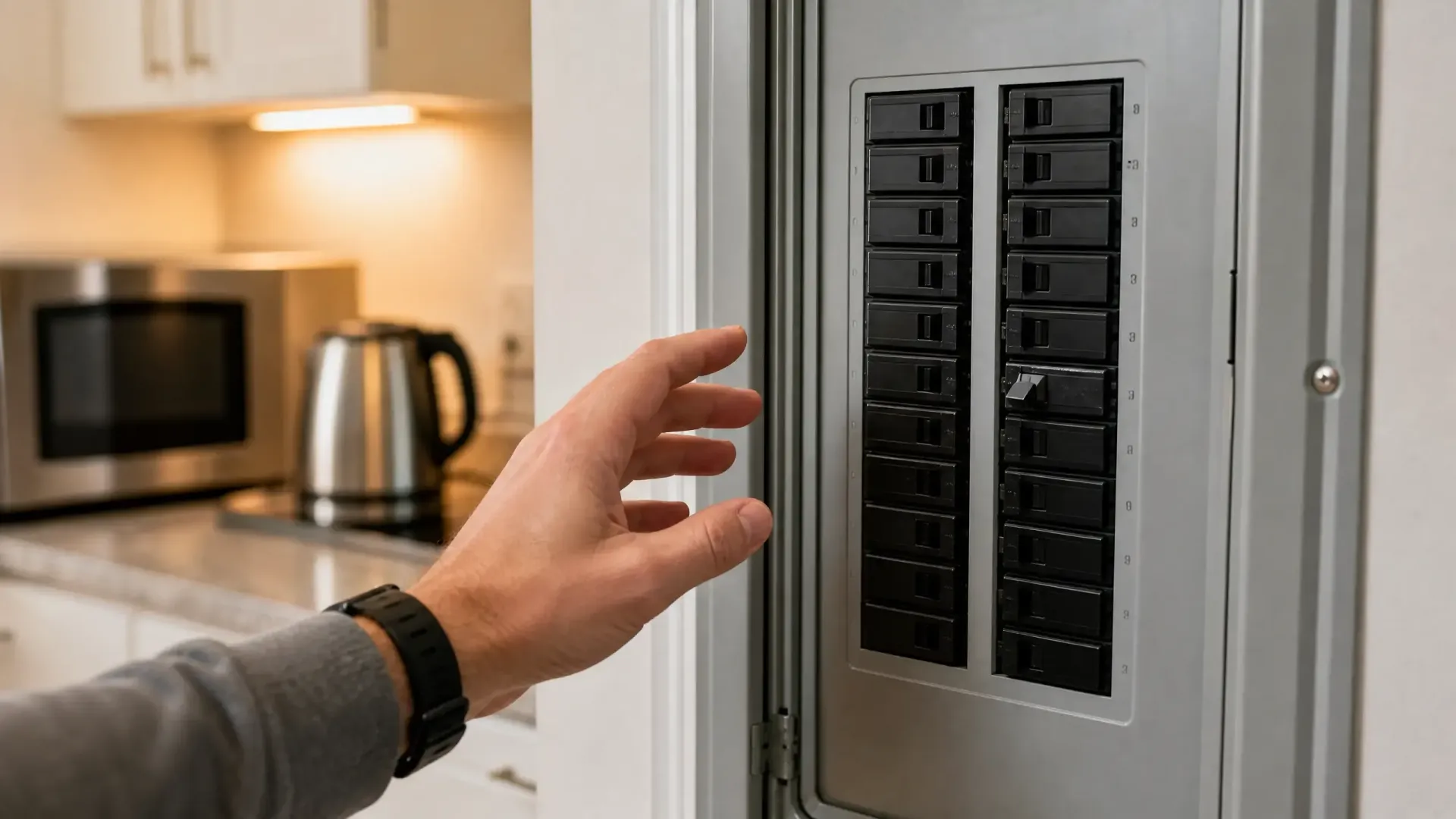
Have your lights been flickering lately? Does your circuit breaker trip every time you use the microwave and kettle at the same time? If so, your electrical panel could be trying to tell you something.
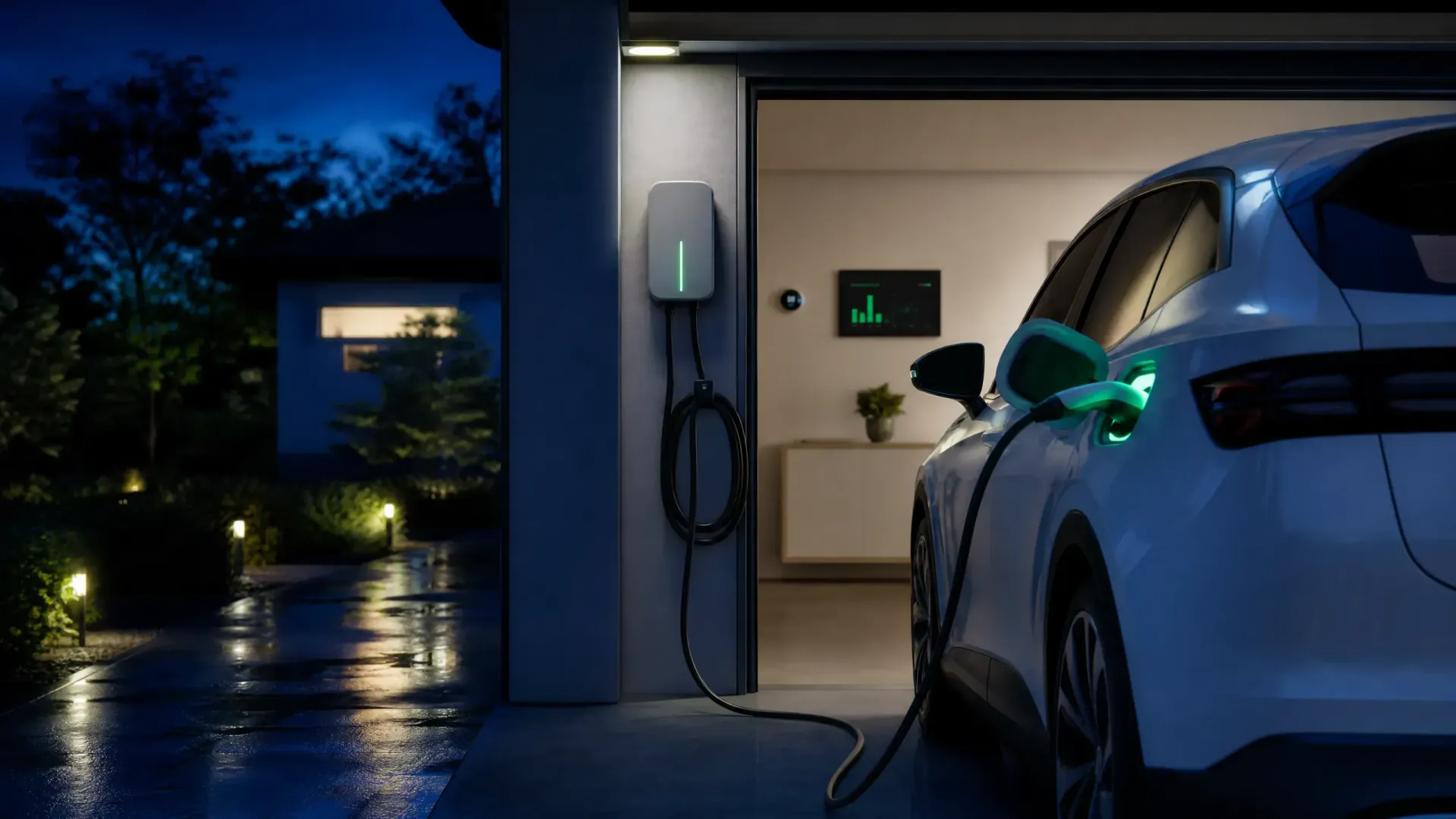
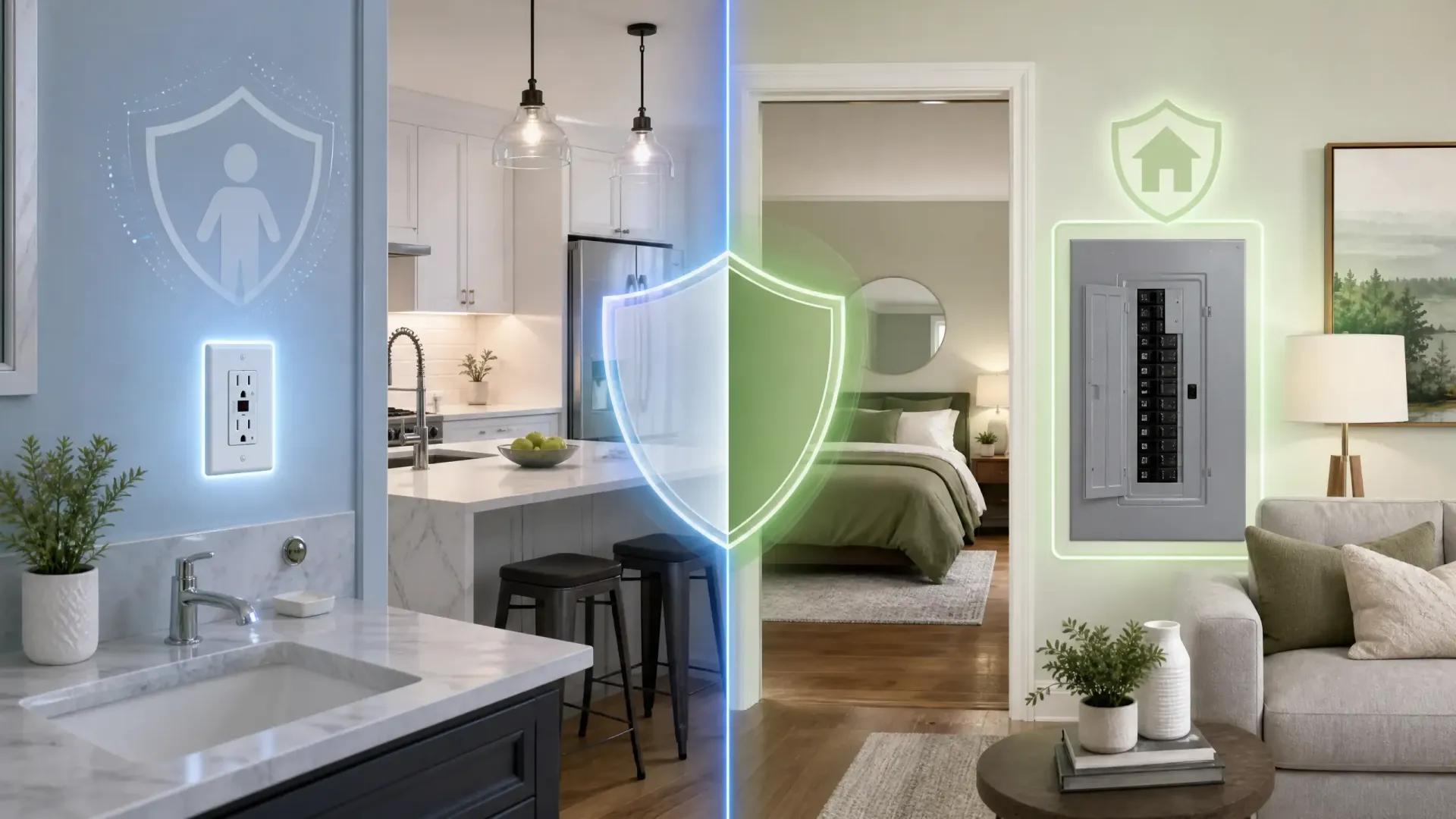
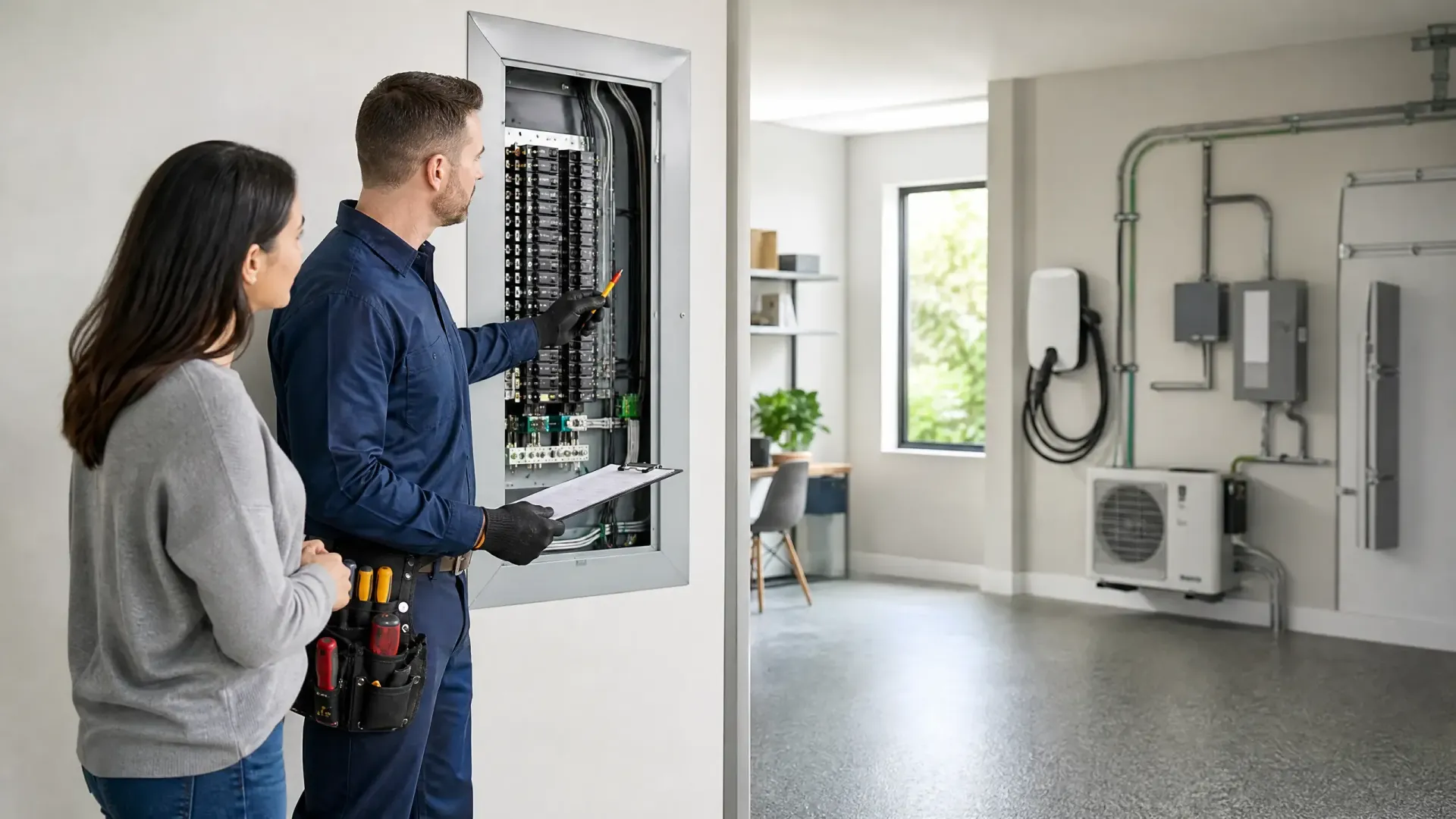
Your electrical panel is the control center of your home's electrical system. It distributes electricity safely to every room and protects your home from overloaded circuits and electrical faults. As Canadian homes continue to add electric vehicle chargers, heat pumps, home offices, and smart appliances, electrical panels are working harder than ever.
Ignoring electrical panel problems isn't just inconvenient—it can be a serious safety risk. Here's what every Canadian homeowner should know about the most common electrical panel issues and how to solve them.
Why Your Electrical Panel Matters
Think of your electrical panel as the traffic controller for your home's electricity. Every light switch, appliance, outlet, and device depends on it to deliver power safely. When your panel is functioning properly, you probably never think about it. But when problems arise, they can affect everything from your daily routine to your family's safety.
Many homes across Canada, particularly those built several decades ago, were never designed to handle today's electrical demands. As our reliance on electricity grows, so does the importance of having an electrical panel that's up to the task.
1. Your Breakers Keep Tripping
One of the most common complaints homeowners have is a breaker that trips repeatedly.
While it may seem frustrating, your breaker is actually doing its job. It's designed to shut off power when a circuit becomes overloaded or detects a fault, helping prevent overheating and electrical fires.
Common reasons for tripping breakers include:
- Too many appliances plugged into one circuit
- Faulty electrical devices
- Short circuits
- Ground faults
The Solution:
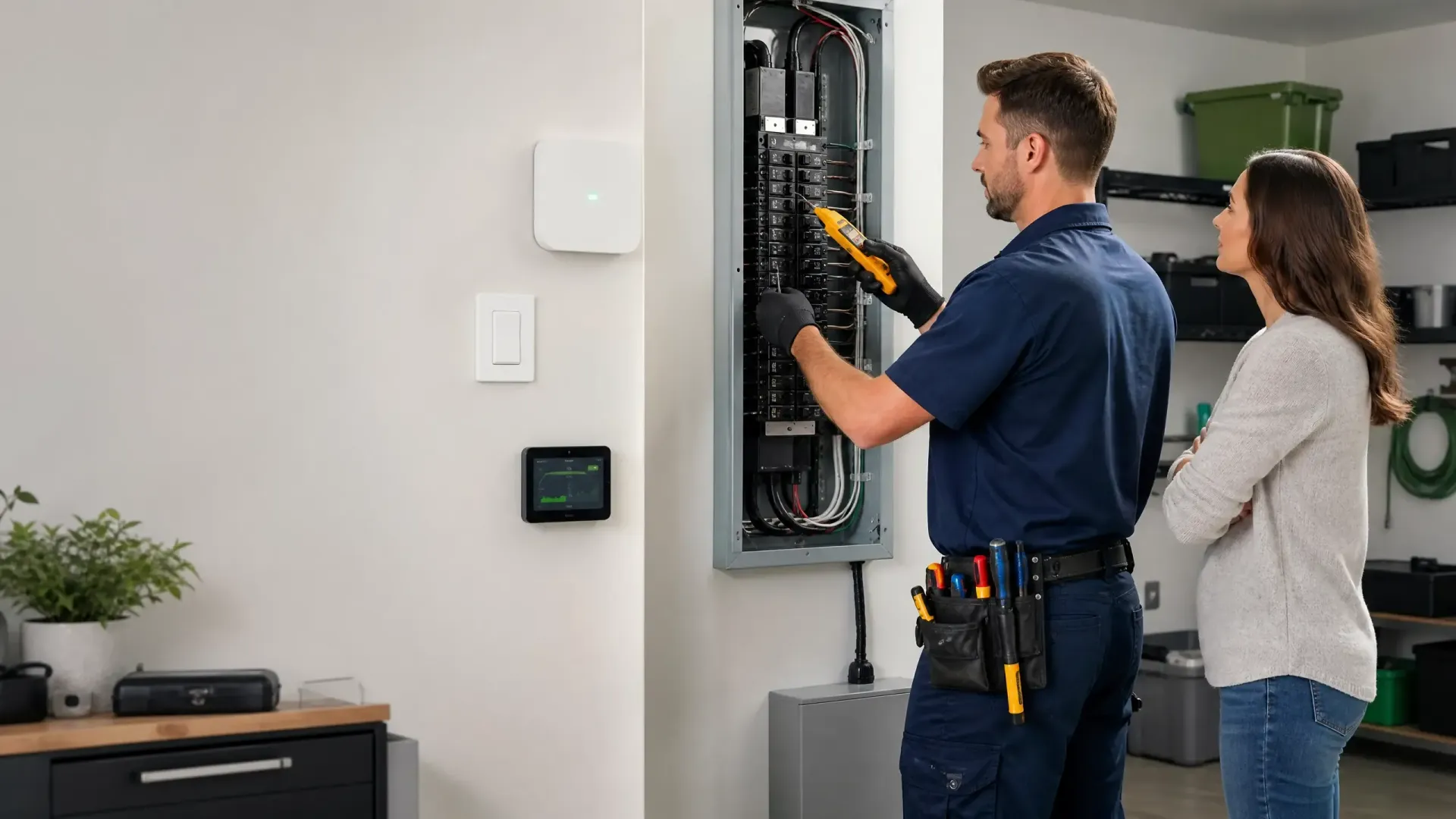
Don't simply reset the breaker over and over. A licensed electrician can determine whether the problem is an overloaded circuit, a damaged appliance, or a more serious wiring issue.
2. Your Home Still Has a Fuse Box
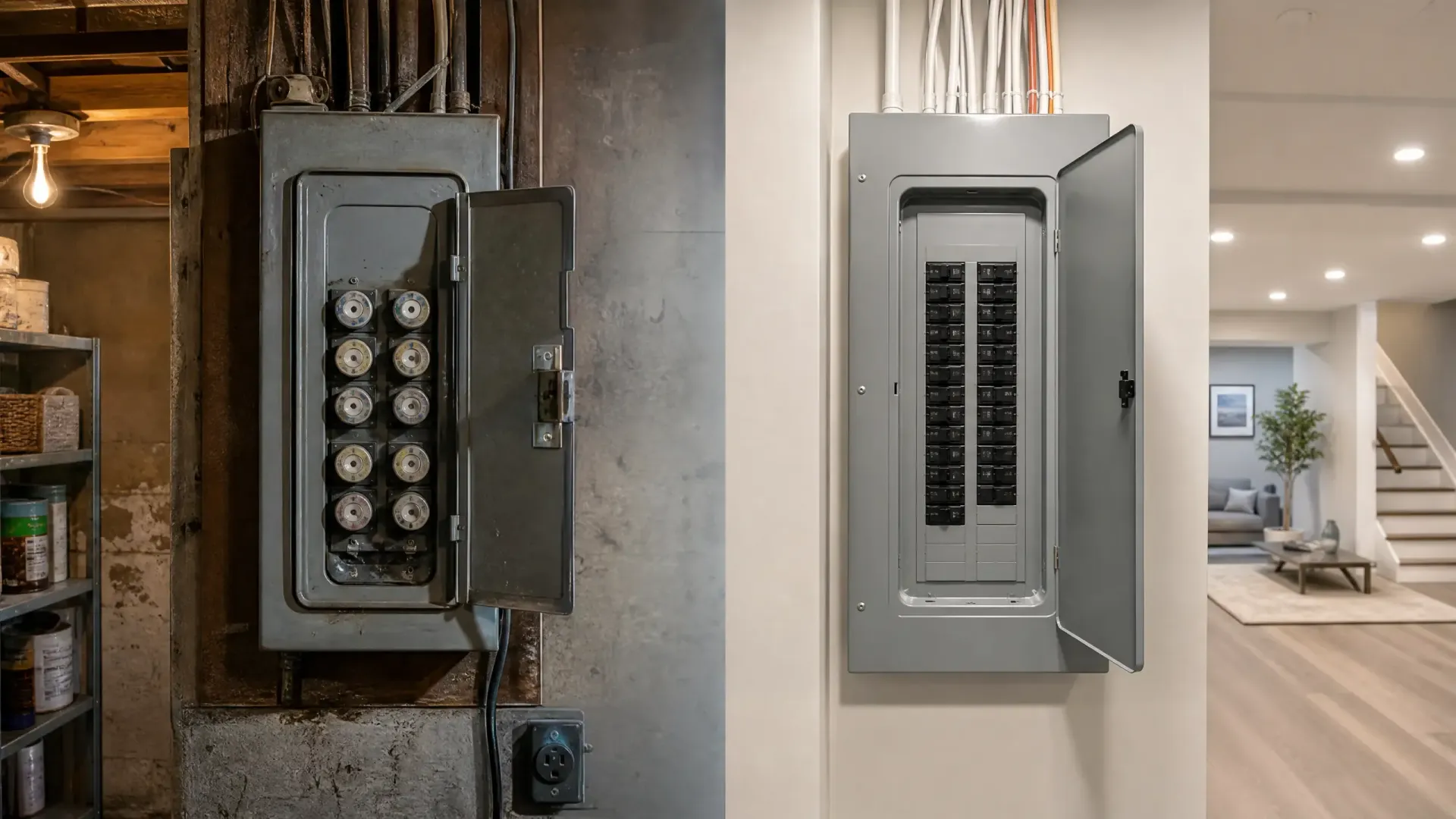
If your home still uses a fuse box instead of circuit breakers, it may be time for an upgrade.
Fuse boxes were common in older Canadian homes, but they weren't built to handle today's power requirements. Replacing blown fuses becomes inconvenient, and older systems often lack the protection offered by modern breaker panels.
The Solution:
Upgrading to a
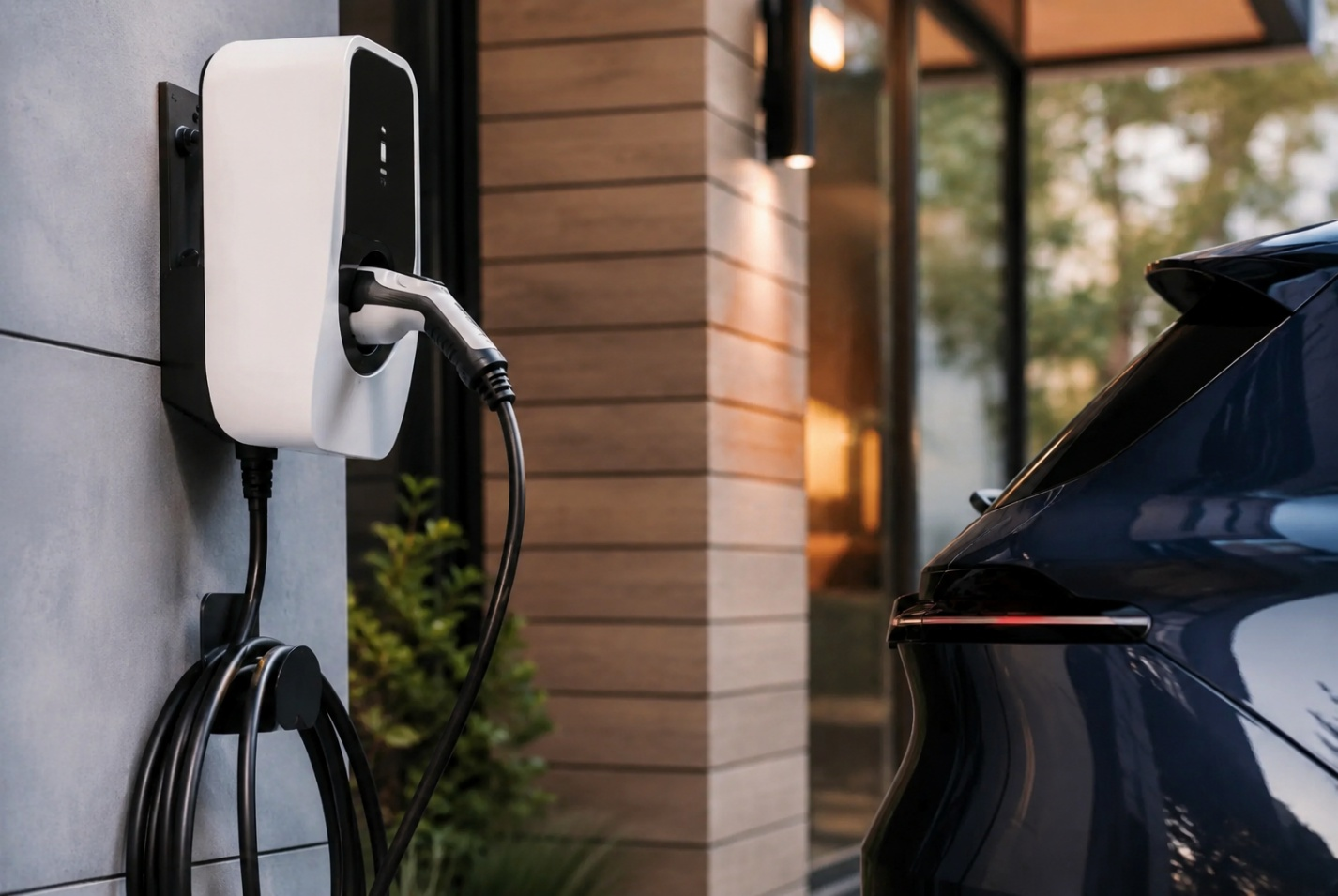
modern breaker panel improves safety, increases electrical capacity, and prepares your home for future upgrades such as EV chargers or heat pumps.
3. Your Electrical Panel Is Overloaded
Modern households consume far more electricity than they did 30 or 40 years ago. Between multiple televisions, gaming systems, air conditioning, electric heating, and home offices, older electrical panels often struggle to keep up.
Some warning signs of an overloaded panel include:
- Lights dimming when appliances start
- Frequently tripped breakers
- Warm electrical panel
- Extension cords being used throughout the home
The Solution:
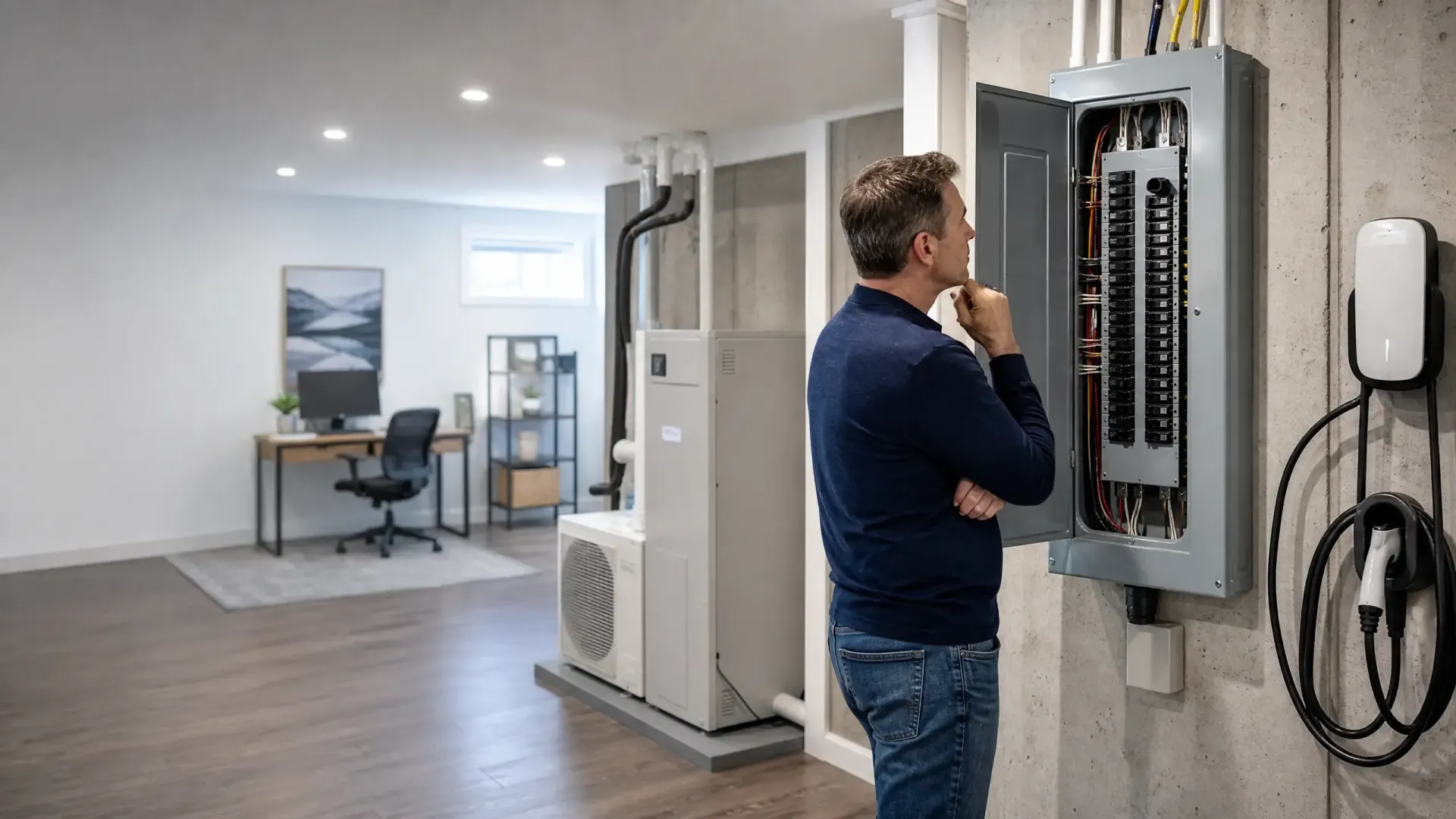
If your panel is constantly working at its limit, it may be time to upgrade your electrical service. Many Canadian homes now benefit from 200-amp electrical service to meet modern power demands.
4. Rust or Moisture Inside the Panel
Water and electricity should never mix.
Moisture entering your electrical panel can cause corrosion, damage internal components, and increase the risk of electrical failure.
Watch for:
- Rust around breakers
- Water stains
- Corrosion
- Musty or burning odors
The Solution:
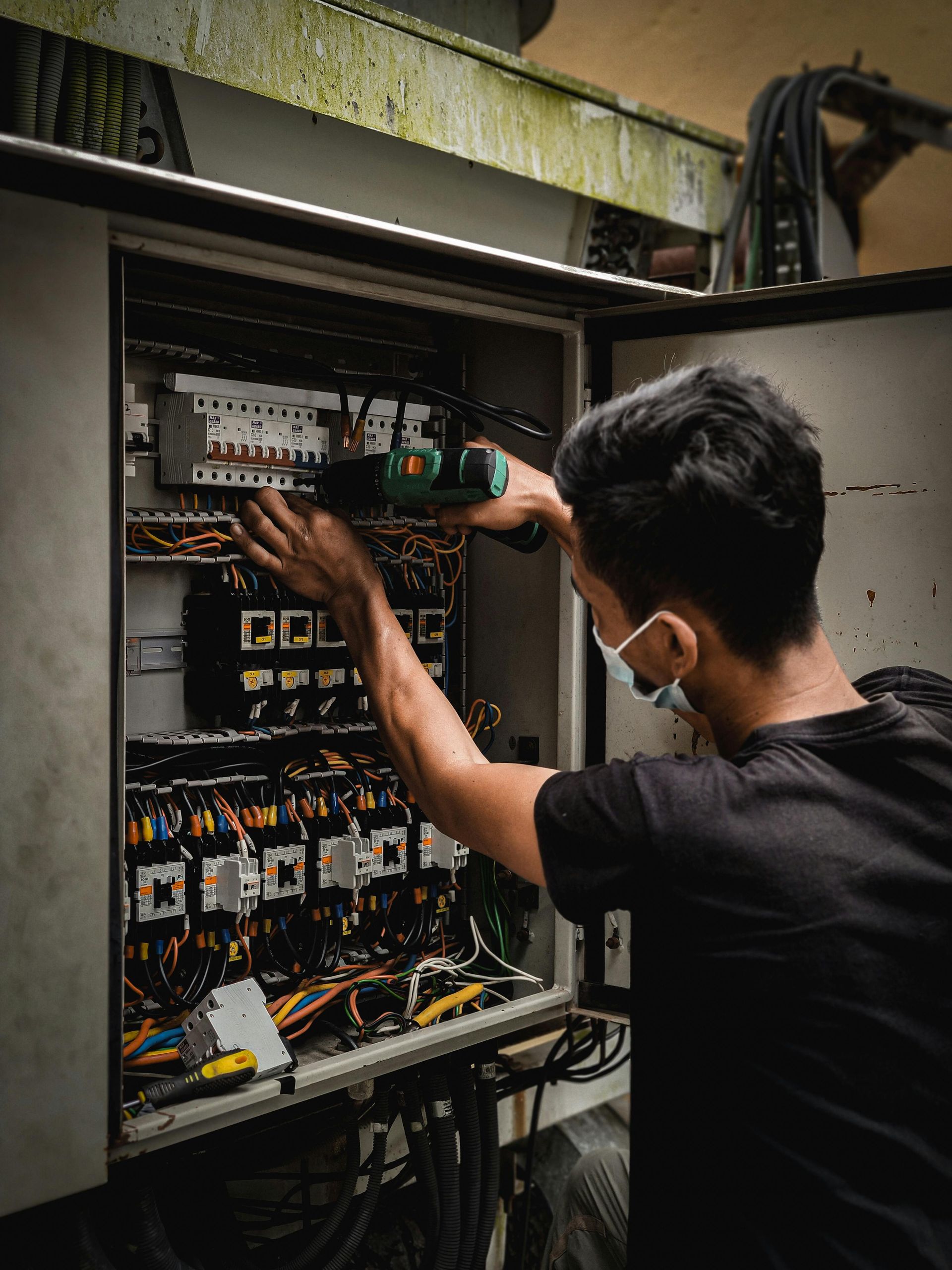
Have both the source of the moisture and the electrical damage addressed immediately. An electrician can inspect the panel and determine whether repairs or replacement are necessary.
5. Burning Smells or Buzzing Sounds
Your electrical panel should operate quietly.
If you notice buzzing, humming, or a burning smell coming from the panel, don't ignore it. These symptoms often indicate loose wiring, damaged breakers, or overheating components.
The Solution:
Turn off power if it's safe to do so and contact a licensed electrician immediately. These warning signs require urgent attention.

6. Your Panel Is Simply Too Old
Like any major home system, electrical panels don't last forever.
If your panel is 25 to 40 years old, its components may have deteriorated over time. Older panels may not provide the same level of protection as newer models and can become increasingly unreliable.
The Solution:
Schedule a professional electrical inspection. An electrician can determine whether your existing panel is still safe or if replacing it is the better long-term investment.
When Should You Upgrade Your Electrical Panel?
You should consider upgrading your panel if:
- Your breakers trip regularly.
- You're adding major appliances or an EV charger.
- Your lights frequently flicker.
- Your home still has a fuse box.
- Your electrical service is only 60 or 100 amps.
- You're renovating or finishing a basement.
- Your panel shows signs of wear, corrosion, or overheating.
An upgraded panel not only improves safety but also increases your home's functionality and resale value.
Don't Ignore the Warning Signs
Electrical problems rarely fix themselves. Small issues like a frequently tripped breaker or flickering lights can eventually develop into much larger—and more expensive—problems.
If you've noticed unusual electrical behaviour in your home, it's worth having your panel inspected before minor issues become major repairs.

Final Thoughts
Your electrical panel is one of the most important safety features in your home, yet it's often overlooked until something goes wrong. Whether you're dealing with an outdated fuse box, recurring breaker trips, or planning for a home renovation, making sure your electrical panel is in good condition is essential.
A professional inspection can identify hidden problems, improve your home's electrical safety, and ensure your system is ready for Canada's growing energy demands.
Investing in your electrical panel today can provide peace of mind—and help keep your home powered safely for years to come.